
Key Takeaways
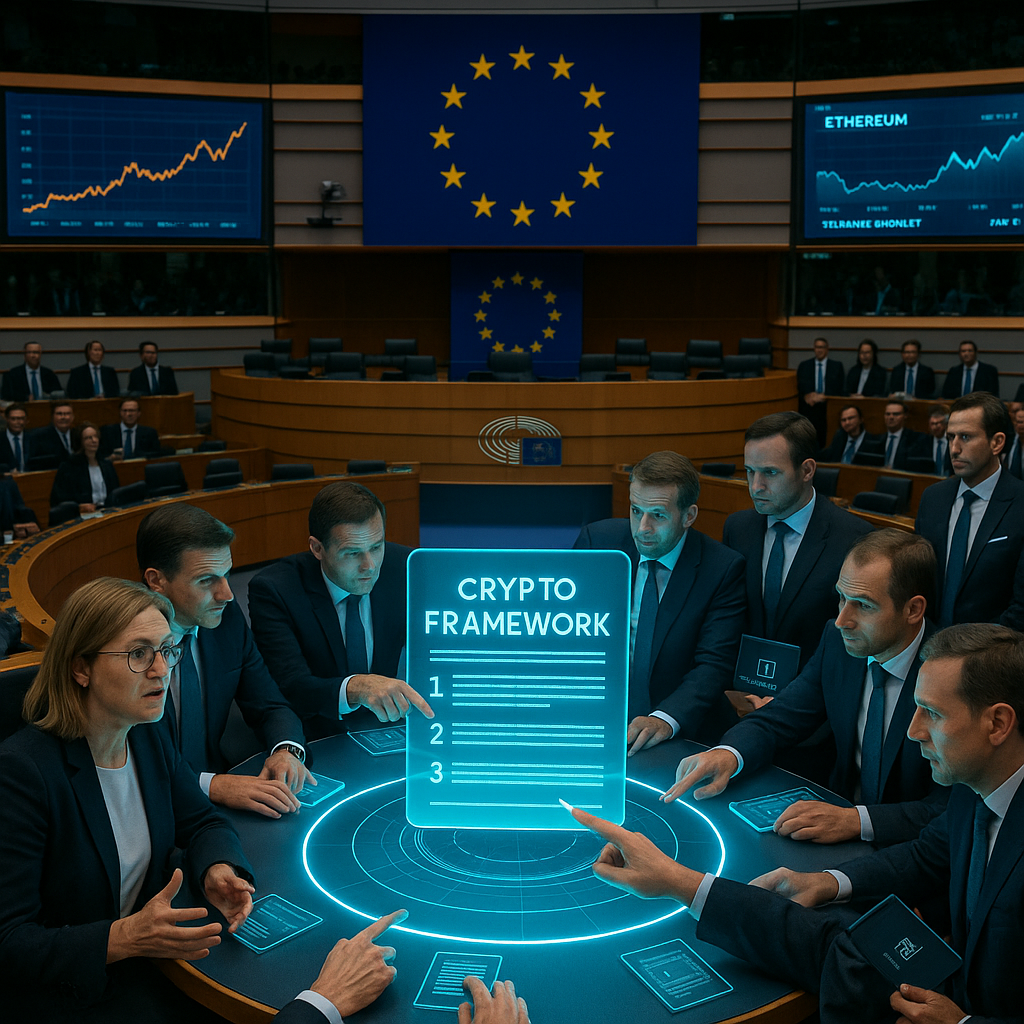
- On 6 December 2025, the crypto market press review highlights the EU’s approval of a comprehensive crypto regulatory framework, signaling a new balance between investor protection and openness to DeFi innovation.
- Today’s roundup covers major protocol upgrades, strategic partnerships, and evolving investment trends shaping the sector’s landscape.
- Top story: The EU adopts its first broad crypto regulatory framework, aiming to safeguard investors while supporting decentralized finance development.
- The Ethereum Shanghai upgrade will soon release billions in staked ETH, impacting liquidity across networks.
- Binance has announced a partnership with the EU Digital Identity Wallet project to improve compliance standards for its users.
- A leading US crypto hedge fund disclosed substantial new investments in key Layer 1 DeFi tokens, indicating renewed institutional interest.
- The new EU regulations could set a blueprint for global crypto oversight and may influence future policies worldwide.
Introduction
On 6 December 2025, the EU’s approval of a sweeping crypto regulatory framework marks a pivotal effort to protect investors while encouraging DeFi innovation. That move could set a global precedent for oversight. Meanwhile, the Ethereum Shanghai upgrade is poised to unlock staked ETH this month, signaling transformative shifts tracked in today’s crypto market press review landscape.
Top Story: EU Unveils Comprehensive Crypto Regulatory Framework
New Rules Balance Innovation and Protection
The European Union has finalized its comprehensive cryptocurrency regulatory framework, setting clear standards across the 27-member bloc. The framework introduces licensing requirements for crypto service providers and establishes specific capital reserves for stablecoin issuers.
European Commission officials stated that the regulations seek to protect investors while supporting legitimate blockchain innovation. The package includes provisions for decentralized finance (DeFi) platforms, distinguishing between fully decentralized protocols and those with identifiable operators.
Parliament member Claire Jourdan explained that the framework “creates a foundation where consumers can confidently participate in the digital asset economy while innovators have clear guidelines.” The regulations feature graduated compliance requirements based on platform size and risk profile to prevent smaller innovators from facing excessive regulatory burdens.
Stay Sharp. Stay Ahead.
Join our Telegram Group for exclusive content, real insights,
engage with us and other members and get access to
insider updates, early news and top insights.
 Join the Group
Industry Response Mixed but Constructive
Major crypto exchanges operating in Europe generally welcomed the regulatory clarity, with several already announcing compliance plans. Binance Europe has begun implementing required changes to its verification processes and risk management systems.
Industry associations have noted concerns about certain technical requirements but praised the framework’s distinction between types of tokens and services. The European Blockchain Association described the regulations as “workable, if not perfect“, highlighting the inclusion of regulatory sandboxes for testing innovative models.
Some DeFi developers expressed relief that genuinely decentralized protocols received accommodations in the final text. The framework exempts fully autonomous smart contracts from certain requirements, while projects with centralized control points face greater oversight.
Also Today: Institutional Adoption
Major Banks Launch Crypto Custody Solutions
Three leading European banks announced plans to begin offering cryptocurrency custody services to institutional clients starting in the first quarter of 2026. This marks a significant shift as traditional financial institutions increasingly integrate digital asset capabilities into their services.
Initially, these custody solutions will support Bitcoin and Ethereum before expanding to other major cryptocurrencies. The banks cited growing demand from wealth management clients and institutional investors seeking regulated access to digital assets.
Asset Managers Expand Crypto Fund Options
BlackRock and Fidelity have expanded their cryptocurrency investment products with new offerings aimed at European investors. These products provide exposure to digital assets through regulated vehicles that comply with existing securities frameworks.
The expanded selection includes both passive index funds tracking baskets of cryptocurrencies and actively managed strategies. Assets under management in regulated crypto products have grown 215% year-over-year, reflecting broader mainstream acceptance.
Also Today: Technology Developments
Ethereum Shanghai Upgrade Testing Shows Promising Results
Developers have reported successful test deployments of Ethereum’s Shanghai upgrade, which will enable staked ETH withdrawals and introduce performance improvements. The testing phase has progressed without major technical issues, keeping the project on schedule for its planned deployment.
This upgrade is a critical milestone in Ethereum’s technical roadmap following its transition to proof-of-stake. Core developer Tim Beiko noted that the staking withdrawal capability “completes a promise made to early Ethereum supporters who have had their assets locked since December 2020.”
Cross-Chain Bridges Implement Enhanced Security Measures
Leading cross-chain bridge protocols have implemented new security standards in response to a series of high-profile exploits earlier this year. These improvements include mandatory security audits, timelocks on large transactions, and decentralized monitoring systems.
The Cross-Chain Security Alliance, formed by major projects including Wormhole and Axelar, established baseline security requirements for bridge protocols. These measures are intended to restore confidence in cross-chain liquidity following incidents that resulted in over $800 million in losses during the past year.
Also Today: Market Developments
Stablecoin Usage Expands Beyond Trading
Stablecoin adoption has expanded beyond cryptocurrency trading into payments, remittances, and savings applications. Transaction volumes for non-trading uses have increased 78% year-over-year, according to blockchain analytics firm Chainalysis.
Several major e-commerce platforms now accept stablecoin payments, and remittance corridors between Southeast Asia and Europe have seen substantial growth. This diversification of use cases comes as stablecoins face increasing regulatory scrutiny worldwide.
NFT Market Shows Signs of Maturation
The NFT market is evolving toward utility-focused applications after last year’s speculative decline. Gaming assets, membership passes, and intellectual property rights have emerged as the dominant use cases, replacing pure collectibles.
Transaction volume for utility NFTs has grown 34% this quarter, while purely speculative collections declined 28%. Major brands such as Adidas, Nike, and Starbucks have launched membership programs utilizing NFT technology to enhance customer engagement and offer digital-physical product experiences.
What to Watch: Key Dates and Events
- Ethereum Shanghai Upgrade: Final testnet deployment on 15 December 2025. Mainnet implementation scheduled for 8 January 2026.
- EU Regulatory Framework: Official publication in EU Journal on 10 January 2026. Initial licensing application period opens 1 February 2026.
- Compliance Deadlines: Tier 1 providers (over €50 million in assets) must submit applications by 1 April 2026. Tier 2 providers by 15 June 2026.
- Major Industry Conference: Consensus Europe in Berlin, 18 to 20 December 2025, featuring regulatory roundtables with EU officials.
Conclusion
The EU’s adoption of a unified crypto regulatory framework marks a key shift for investor protection and innovation, providing needed clarity for service providers and DeFi builders. Ongoing integration by major banks and the expansion of stablecoins signal the crypto market’s maturing relationship with traditional finance.
Stay Sharp. Stay Ahead.
Join our Telegram Group for exclusive content, real insights,
engage with us and other members and get access to
insider updates, early news and top insights.
Join the Group
What to watch: Ethereum’s Shanghai upgrade launch on 8 January 2026 and the EU’s regulatory application deadlines beginning 1 February 2026.




Leave a Reply